
Each December, the Army vs Navy Game brings regular college football to a pause. While other rivalries may dominate the headlines, nothing compares to the game between Army and Navy. This year’s Army vs Navy game once again served as a powerful reminder of the importance of service, sacrifice, and loyalty that define both academies and the nation they proudly serve.
The 2025 Army, Navy Game continued the fierce but respectful rivalry between the United States Military Academy and the United States Naval Academy. As usual, the game was played on a neutral field and attracted national attention, with millions of viewers watching across the country. What made this year’s game especially significant was not just the rivalry, but the purpose behind it. Both teams entered the game carrying the weight of representing their respective service branches. Every player on the field is a future officer, committed to serving the country after graduation. That reality gives the game a deeper meaning than typical college football rivalries. The intensity, discipline, and mutual respect shown during this year’s contest reflected the values instilled at both academies. No matter the outcome, the game reinforced a powerful message: competition can coexist with honor and unity.
The Army–Navy football rivalry dates back to 1890, making it one of the oldest rivalries in American sports. From its very first matchup, the game captured national attention, symbolizing the friendly but intense competition between the Army and the Navy. Over time, it grew into an annual event that transcended athletics and became a cultural tradition. Throughout history, the game has been played during pivotal moments in American life, including during World Wars I and II, the Cold War, and the post-9/11 era. Even in times of national hardship, the game has endured, serving as a reminder of resilience and unity. Legendary coaches, Heisman Trophy winners, and future military leaders have all taken part, but the rivalry has never been about individual fame. Instead, it has always emphasized teamwork, duty, and pride in service.
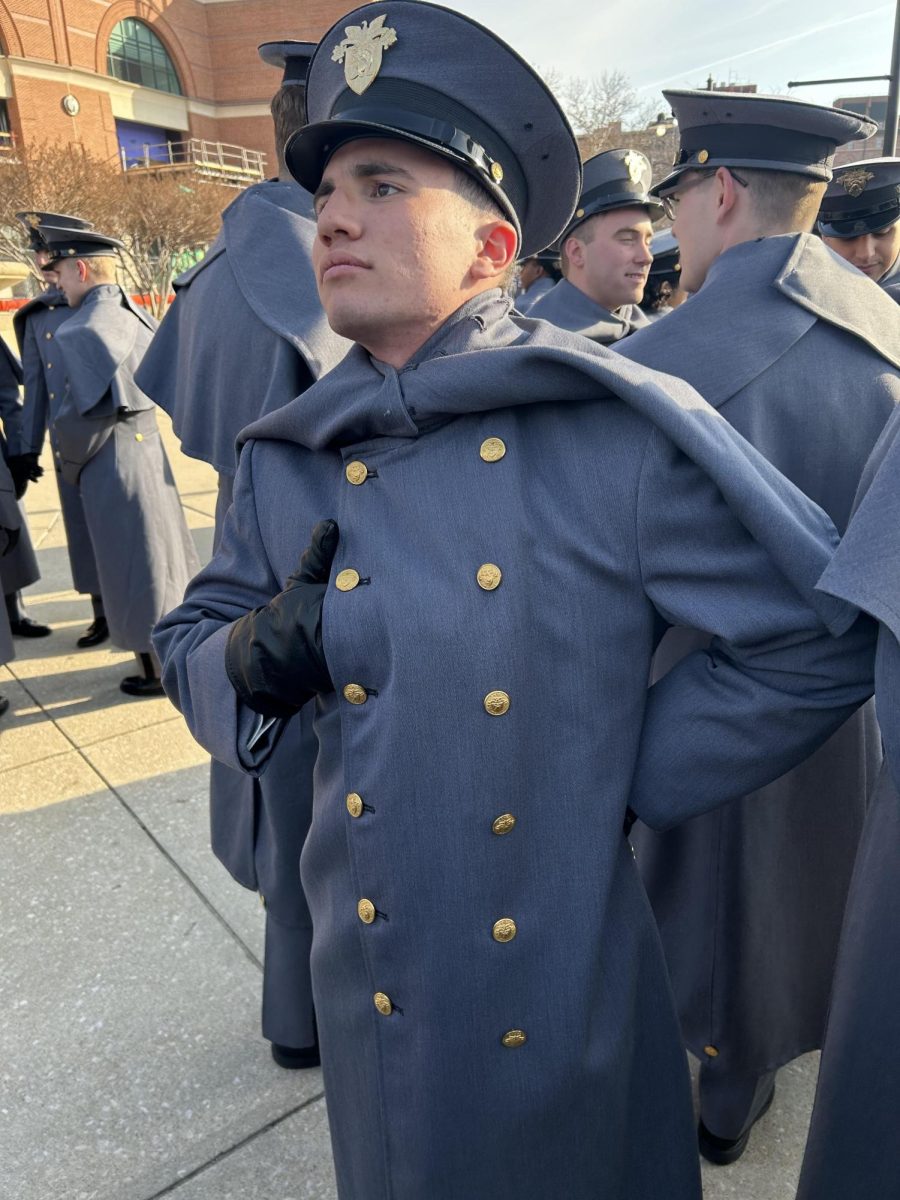
What truly sets the Army vs Navy game apart are its traditions. One of the most iconic is the “March On,” when both academies’ Corps of Cadets and Brigade of Midshipmen enter the stadium in full uniform before kickoff. This moment highlights the discipline and unity of the future officers and sets a solemn, respectful tone. Another cherished tradition is that both teams sing their alma maters after the game, with the winning team singing second as a sign of respect. This reinforces the idea that, despite the rivalry, both sides share a common mission. Uniform designs, often honoring historical military units or fallen service members, also play a major role, connecting the game to the broader history of the armed forces. Perhaps most importantly, the game serves as a reminder that every player will soon trade helmets for uniforms and the football field for real-world leadership. That reality gives the rivalry a level of gravity unmatched in sports.
The Army vs Navy football game is more than an athletic contest—it is a living symbol of American tradition, service, and unity. This year’s game upheld that legacy, showcasing fierce competition grounded in mutual respect. With over a century of history and traditions that honor something greater than the scoreboard, the Army–Navy game remains one of the most meaningful events in all of sports.