

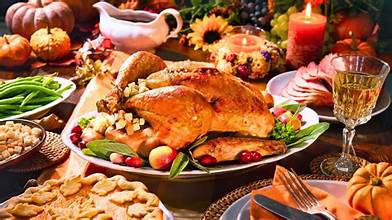
Thanksgiving is a uniquely meaningful holiday because it brings people together to pause, reflect, and appreciate the blessings in their lives. Although it is often associated with food and family traditions, the true heart of Thanksgiving lies in gratitude. In a world that moves quickly and constantly demands our attention, the holiday creates a rare moment to slow down and acknowledge the people, opportunities, and experiences that have shaped us throughout the year.
Historically, Thanksgiving traces its roots to harvest celebrations and moments of cooperation, reminding us that gratitude often grows out of community. The early gatherings between Native Americans and Pilgrims, though complex and often oversimplified, symbolize the importance of helping others and recognizing shared humanity. Long before Europeans arrived in North America, many Indigenous nations held seasonal ceremonies to give thanks for successful harvests, hunting, and the natural world. These celebrations varied widely among tribes, but they shared a common theme of honoring the earth and expressing gratitude. The holiday most Americans recognize today is often connected to the 1621 harvest feast in Plymouth, where the Pilgrims and the Wampanoag people shared a meal after the Pilgrims’ first successful harvest. The Wampanoag, led by Massasoit, had helped the newcomers survive by teaching them farming techniques and ways to adapt to the land. The 1621 gathering was not originally called “Thanksgiving,” nor was it an annual event, but it has come to symbolize cooperation between two cultures during a challenging time. Today, Thanksgiving continues that spirit by encouraging acts of generosity, whether through volunteering, sharing a meal, or simply offering kindness to those around us.The modern Thanksgiving holiday took shape much later. In the mid-1800s, writer Sarah Josepha Hale campaigned for a national day of gratitude, believing it would unite a country divided by the Civil War. Her efforts succeeded when President Abraham Lincoln, in 1863, declared Thanksgiving a national holiday meant to promote healing and unity. Over time, the holiday grew into an annual tradition celebrated on the fourth Thursday of November, featuring family meals, parades, and reflections on gratitude. Gratitude isn’t just about celebrating what went well; it’s about understanding how moments of difficulty can strengthen character and deepen appreciation. When we take time to be thankful, we often gain a clearer perspective on what truly matters.
Ultimately, Thanksgiving is more than just a date on the calendar—it is a reminder of the value of gratitude in everyday life. By carrying the spirit of thankfulness beyond the holiday, we strengthen our relationships, improve our well-being, and create a more compassionate community. Whether shared around a dinner table or expressed quietly within ourselves, gratitude has the power to transform how we see the world and how we treat one another.